Lume Health
SectionsOverview
Lume Health: Designing a wearable that adds a year to your life.
- Timeline
- April 2024 to January 2025
- Role
- First Product Designer
- Platforms
- iOS app
- Apple Watch
- Website
- Tools
- Figma
- AI-assisted research and prototyping
- 25,000+on the waitlist
- 1stconstant cortisol monitor
- 2027first commercial launch
The setup
Lume Health is revolutionizing the health industry by building a wrist-worn sweat sensor for cortisol and circadian rhythm, plus an iOS app. I was brought on to refine the app they'd go to market with. Nobody knew yet whether people understood the complicated science the app presented, or whether they'd open the app a second day.
Seeing your data is easy, wanting to act on it, every day, is the product. Cortisol is invisible to most people, so is sunlight, sleep, and stress. My design had to teach and motivate users at the same time.
Learn how habits actually form
I began with competitive analysis.
- Close Your Rings: Apple set the gold standard for habit creation. Simple, visual, almost addictive: streaks make you protect the chain, with a little social pull.
- Nudging: A study of Apple Watch users (a diary study plus a 330-person survey) found that ring goals motivate, that notifications must be relevant, and nudges can hurt satisfaction if people can't control them. That set my rule: few and intentional.
- AI as a research partner: I read countless research papers on cortisol, sunlight's effects on our hormones, our internal body clocks. AI sped up synthesis and prototyping with this in mind.
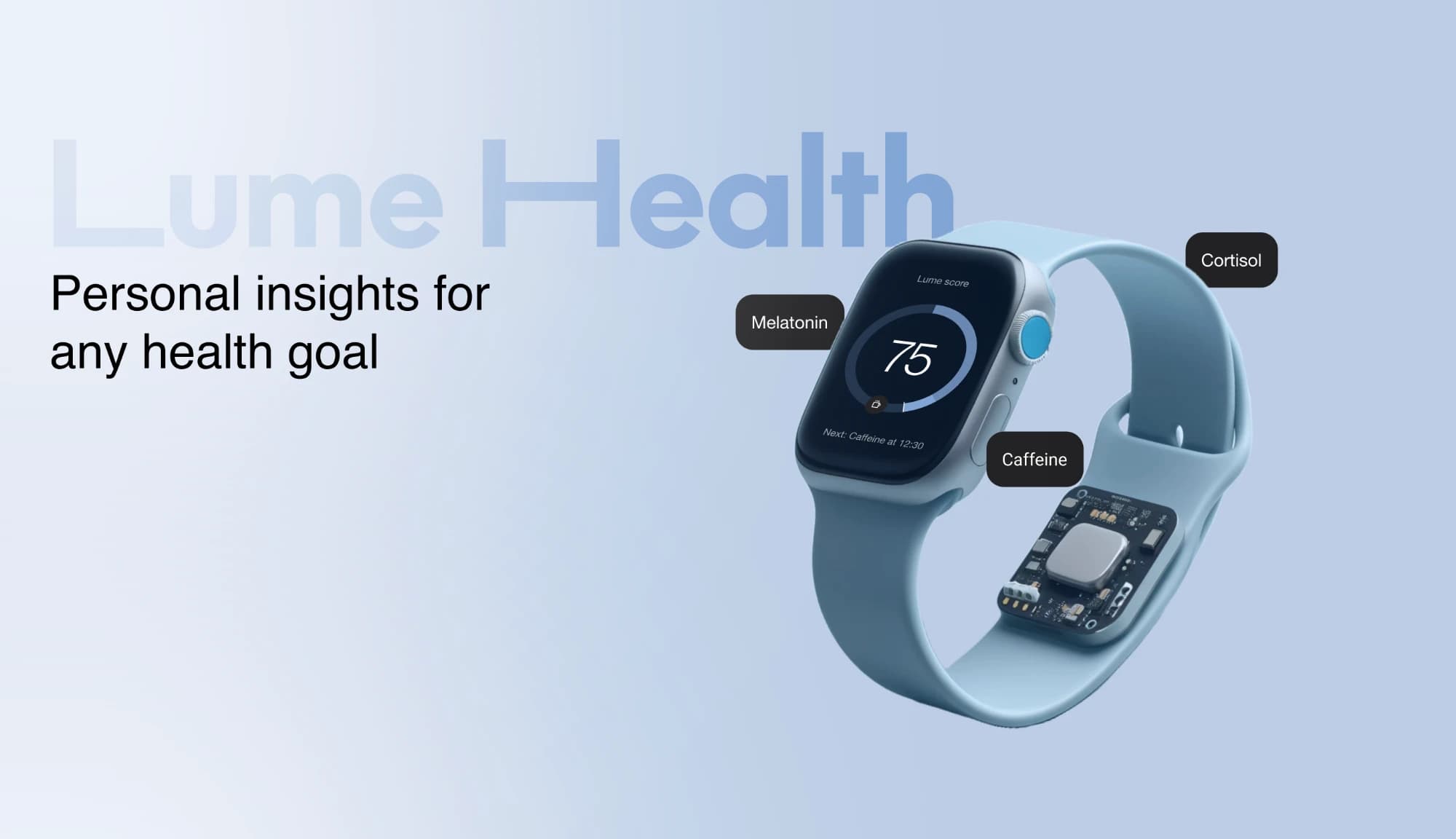
Rapid testing with AI
I designed and tested dozens of close-the-ring-style nudges. The challenge became understanding which UX connected with and motivated potential customers, translating science into actionable steps.
I adapted the Figma flows for iPhone and Apple Watch, and made new graphic assets, conducted A/B interview research, and found simplicity beat data every time.
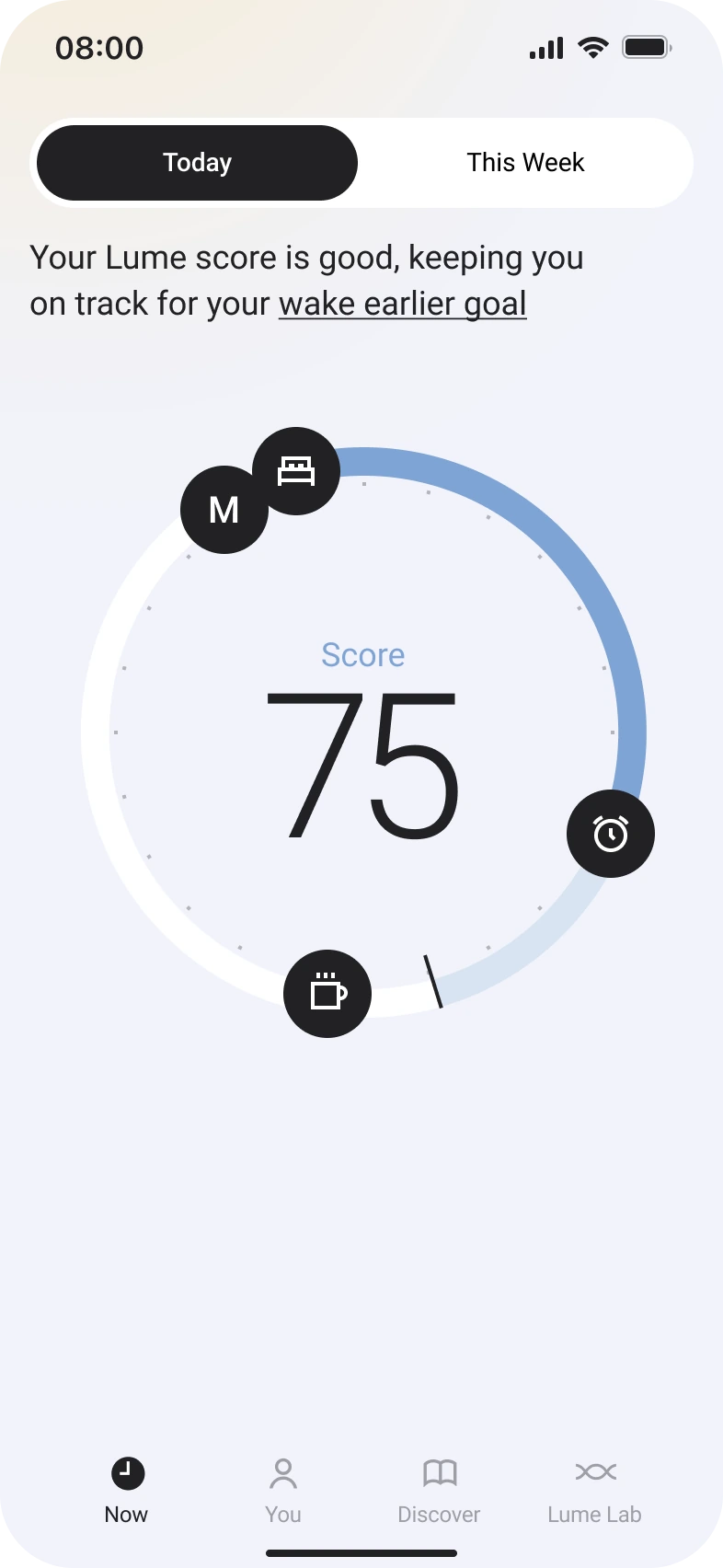
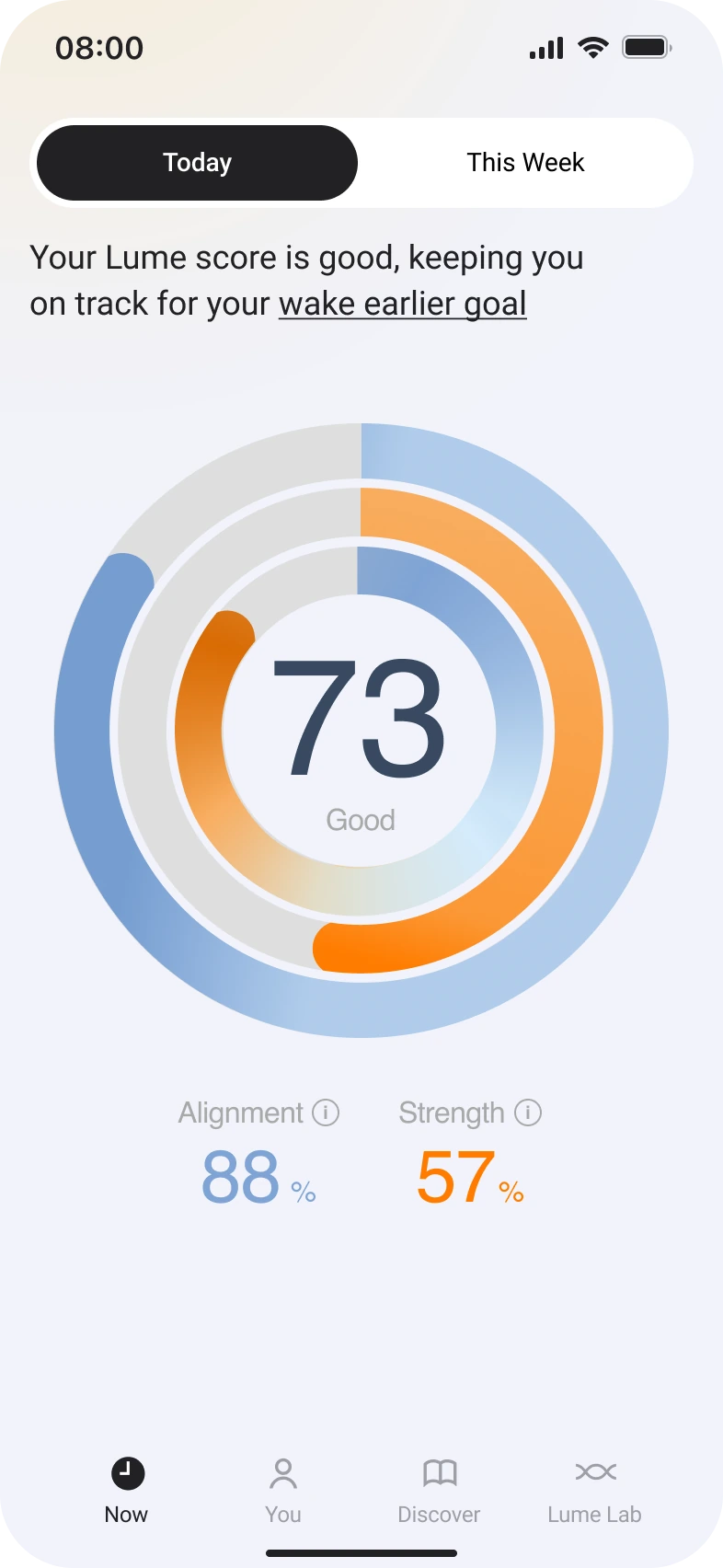
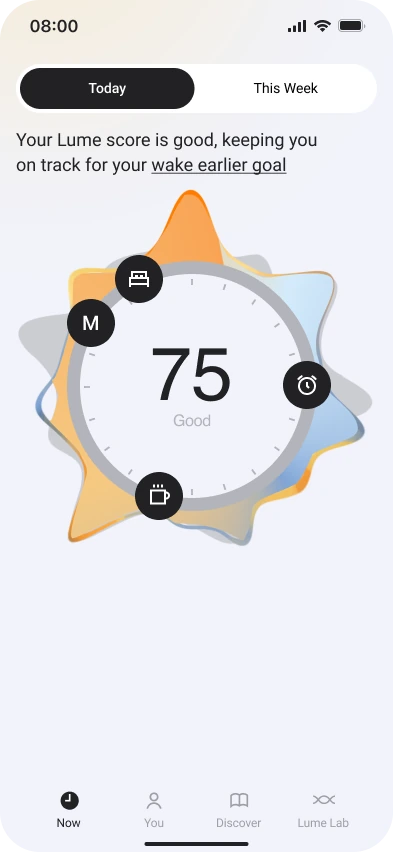
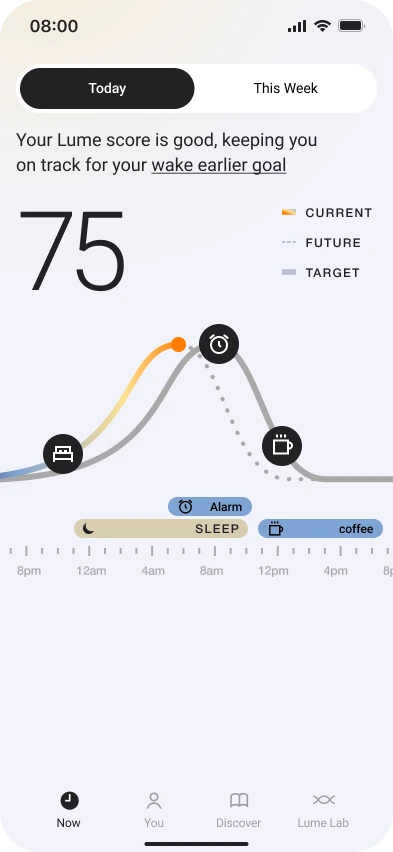
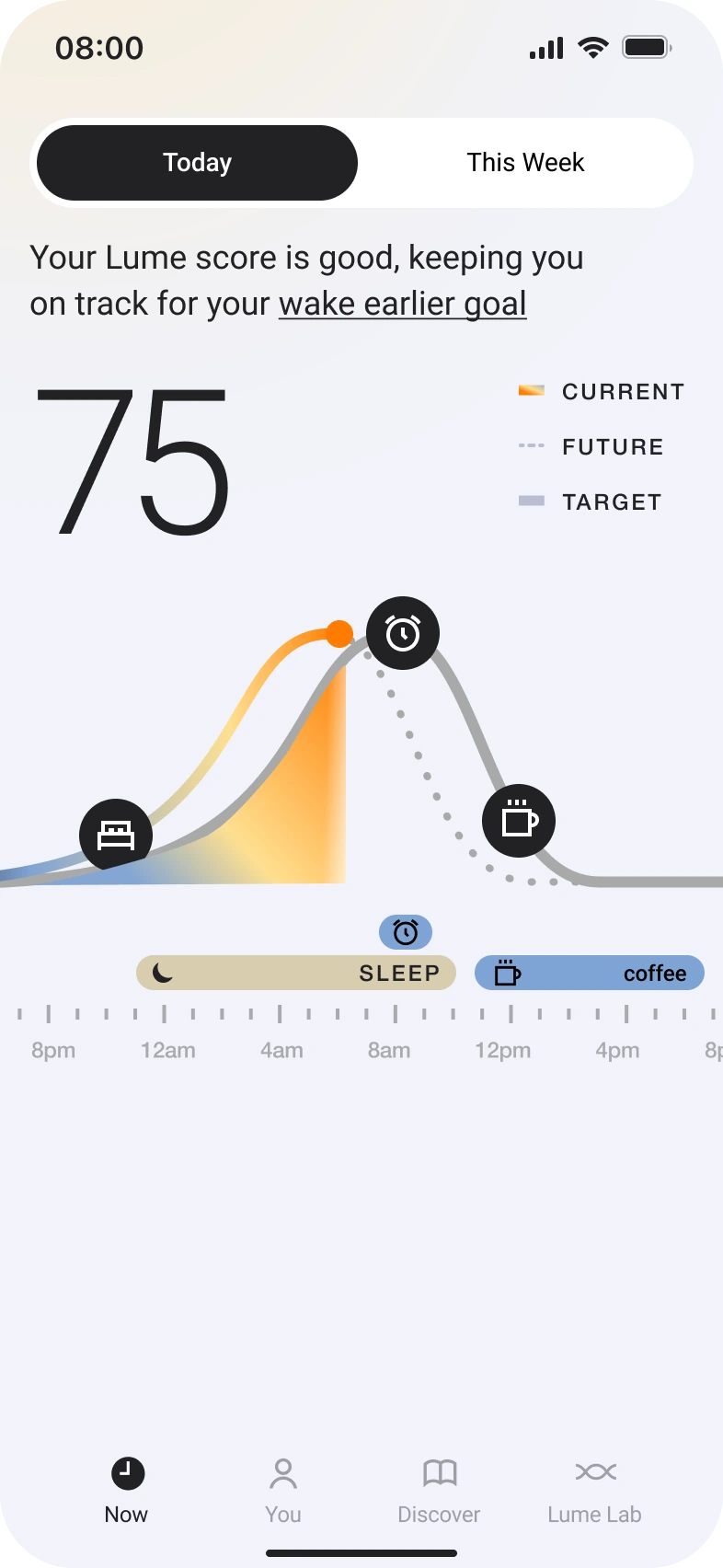
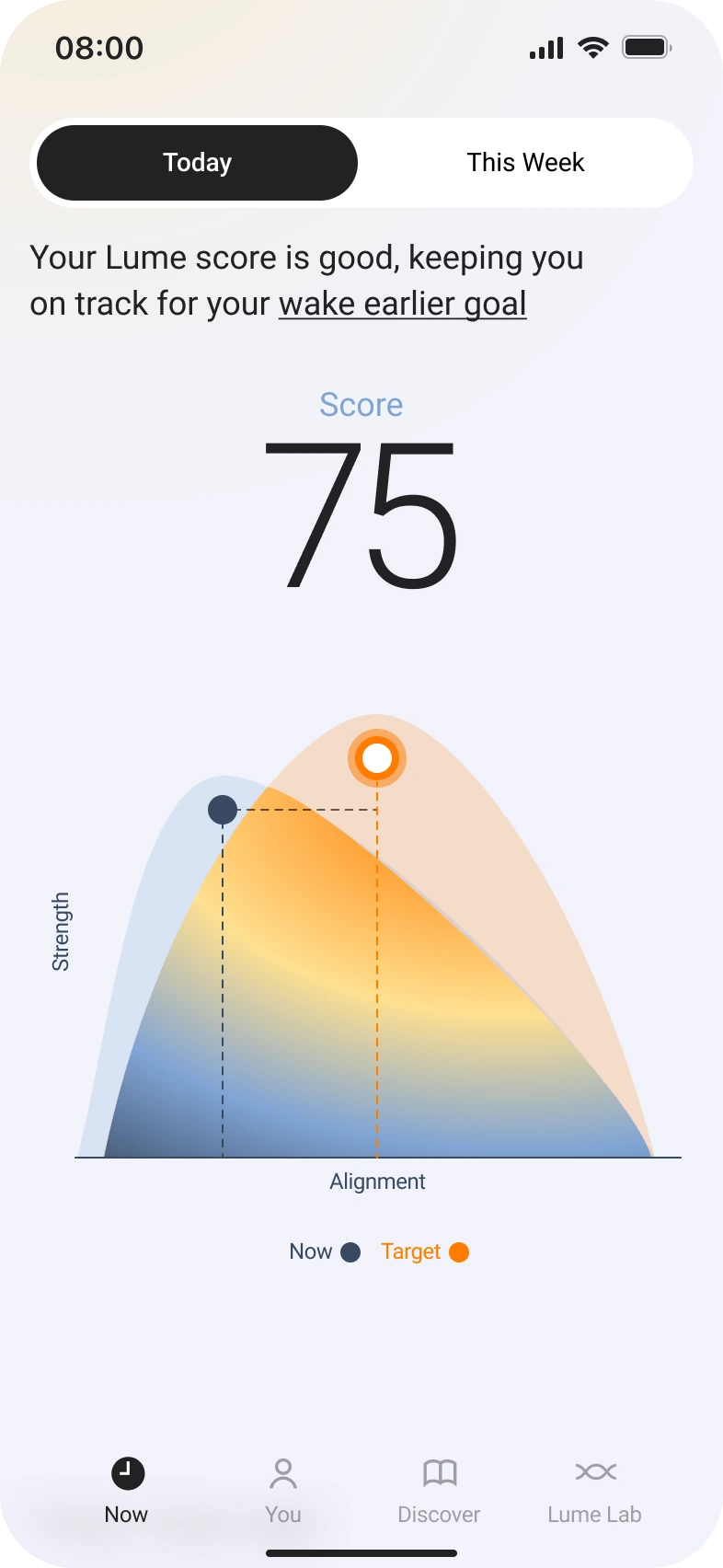
Less is more
Customers wanted more: track sleep, caffeine intake, light, supplements, exercise, mood. But this diluted Lume, our focus blurred and UX turned generic, the app now more confusing than helpful.
Recentering light, chosen by our research and the lack of competition in the field, became the user's focus. Sunlight affects sleep which affects cortisol which influences our bodies and minds.
The result was a streamlined UX, allowing me to focus on the user's sunlight and more naturally build in nudges related to it and their habits: light tracking, walk reminders, wake and sleep timing. I rebuilt the experience around that claim.
I also helped ship a cross-platform website, Apple Watch UX, and pilot a jet lag study with customers.
How this transfers to AI products
Motivation gets easy once you understand joy. People want to feel understood and get a little better with the least friction possible. Good UX carries them there without a fight.
An AI system says something uncertain and complicated, and a person decides what to do next. Same problem as cortisol. Make it legible in a second, show the gap between now and ideal, earn a reason to come back, and never make the person fight the interface. I practiced that on the hardest possible data: invisible, personal, and biological.